
The journey of casinos tracing their historical evolution through the ages
The journey of casinos tracing their historical evolution through the ages
The Ancient Origins of Gambling
The history of casinos can be traced back to ancient civilizations where gambling activities were prevalent. In ancient China, gambling is believed to have existed as early as 2300 BC, with rudimentary games involving dice and betting. The Romans also enjoyed various games of chance, often played in taverns and public gatherings, indicating that the allure of risk and reward has been an integral part of human culture for millennia. Today, many enjoy these activities through online poker sites, demonstrating the enduring popularity of chance.

Similarly, in ancient Greece, gambling was often associated with the gods and was incorporated into religious festivities. The development of these early forms of gambling set the groundwork for the more structured establishments we now recognize as casinos. This deep-rooted history illustrates that casinos are not a modern phenomenon, but rather an evolution of social activities centered around chance and entertainment.
The Middle Ages and the Birth of Formal Gambling Houses
As we moved into the Middle Ages, gambling began to formalize. By the 16th century, Italy saw the emergence of the first gambling houses, known as “ridotti,” which catered to the wealthy elite. These venues offered games like cards and dice, reflecting a more structured approach to gambling than ever before. The popularity of these establishments marked a significant shift toward dedicated spaces for gambling, laying the foundation for modern casinos.
During this time, gambling was still often viewed with suspicion, linked to vice and excess. However, the aristocracy’s patronage of these early gambling houses slowly transformed public perception. The combination of luxury and excitement created an environment that appealed to many, paving the way for the expansion of gambling establishments across Europe.
The Rise of Casinos in the 18th Century
The 18th century marked a turning point for the evolution of casinos, particularly with the establishment of the first official casino in Venice in 1638. This shift transformed gambling into a regulated activity, combining entertainment with commerce. As gambling became more popular, cities across Europe began to adopt similar models, leading to the proliferation of casinos throughout the continent.
In France, the establishment of the Casino de Spa in Belgium set a new standard, offering a variety of games that attracted a diverse clientele. The allure of casinos during this period was enhanced by luxurious surroundings, making them social hubs. This marked the beginning of a new era in gambling, where the casino became synonymous with high society, offering not just games of chance but also an experience of elegance and sophistication.
The American Casino Boom in the 20th Century
The 20th century heralded a significant transformation in the casino landscape, particularly in the United States. Following the legalization of gambling in Nevada in 1931, Las Vegas emerged as the epicenter of casino culture, attracting visitors from around the world. The combination of lavish hotels and extravagant shows turned Las Vegas into a premier entertainment destination, fundamentally reshaping how casinos operated.
Throughout the latter half of the century, other states began to follow suit, legalizing casinos and expanding the gambling industry. This widespread acceptance reflected a cultural shift, where casinos were no longer viewed solely as places of vice, but rather as legitimate entertainment venues that contributed to economic growth. The rise of online casinos in the late 1990s further revolutionized the industry, making gambling more accessible to people worldwide.
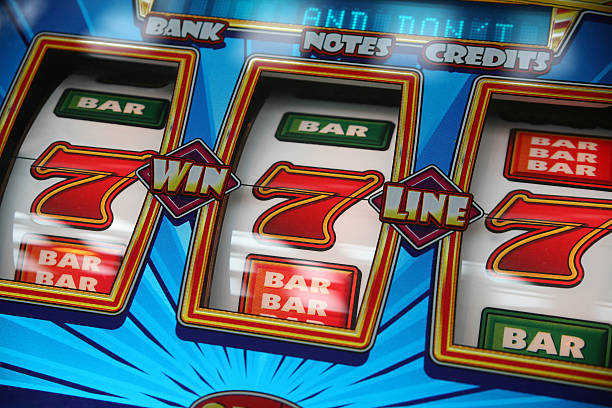
The Future of Casinos and Online Gaming
Today, the casino industry continues to evolve, with technology playing a pivotal role in shaping its future. The rise of online gaming has brought casinos into the digital age, allowing players to enjoy their favorite games from the comfort of their homes. This shift has not only expanded the reach of casinos but has also introduced new gaming options and experiences, catering to a broader audience.
As the industry adapts to changing consumer preferences and technological advancements, the traditional casino is likely to coexist with digital platforms. The future will see further integration of virtual reality and mobile gaming, ensuring that the excitement and allure of casinos remain relevant in a fast-paced world.


